


















A VAT investigation is an examination of a business’s VAT returns, calculations and supporting records by HM Revenue and Customs. HMRC usually describes this process as a VAT compliance check.
The check may be conducted through letters, telephone calls, document requests, meetings or an inspection of business premises.
HMRC’s objective is to establish whether the business has paid or reclaimed the correct amount of VAT.
A routine check does not automatically mean HMRC suspects fraud. However, a VAT investigation specialist may be appropriate when the transactions are complex, significant sums are involved or HMRC is considering penalties, deliberate conduct or extended assessment periods.
Key Takeaways:
- HMRC normally calls a VAT investigation a compliance check.
- HMRC should explain what it wants to check and what information it needs.
- A compliance check can involve records, meetings and premises inspections.
- A requested meeting is generally voluntary, although HMRC may use formal information or inspection powers.
- Businesses may appoint an accountant, tax adviser or VAT investigation specialist.
- Cooperation can influence the amount of any penalty reduction.
- Four years is the normal maximum VAT assessment period, but a 20-year limit can apply in specified circumstances.
- Most appealable VAT decisions must be challenged within 30 days.
What Is the Difference Between a VAT Investigation and a Compliance Check?

“VAT investigation” is the term commonly used by businesses and professional advisers. HMRC generally uses the term “compliance check” when examining whether a taxpayer has declared and paid the correct amount.
The terms may therefore describe the same routine process. The word “investigation” does not, by itself, indicate that HMRC believes fraud has taken place.
Routine checks and suspected VAT fraud
A routine check may examine a particular VAT return, repayment claim, transaction, accounting method or period.
HMRC may simply be trying to confirm that the figures are accurate and supported by appropriate records.
A case may become more serious where HMRC believes information has been knowingly falsified or VAT has been deliberately underdeclared.
HMRC’s compliance guidance states that deliberate wrongdoing can lead to criminal investigation with a view to prosecution, but that is not the automatic outcome of an ordinary compliance check.
Why Might HMRC Open a VAT Investigation?
HMRC has the right to check whether VAT returns are accurate and complete. It may open a check because a return or claim appears inconsistent with other information available to it.
Examples identified in HMRC guidance include:
- figures that appear incorrect
- a large VAT repayment claim compared with the business’s turnover
- a small VAT liability despite high turnover
- previous late or inaccurate VAT returns
- the size or complexity of the business
- concerns about a particular VAT treatment or transaction.
These indicators do not prove that an error has been made. HMRC may need additional evidence before it can decide whether the return is correct.
What Happens at the Start of the VAT Investigation Process?
HMRC will normally write or telephone to explain what it wants to check. The opening communication may identify:
- the VAT periods under examination
- the returns or transactions being questioned
- the documents HMRC wants to see
- the name and contact details of the officer
- the date by which the business should respond
- whether HMRC proposes a call, meeting or visit
The business should read the communication carefully and establish whether the check is limited to one issue or covers a broader part of its VAT affairs.
HMRC says businesses should continue submitting current returns and paying liabilities that fall due while a compliance check remains open.
Confirm that the contact is genuine
An unexpected call or letter should be checked before sensitive financial information is disclosed.
HMRC says a genuine VAT caller should already know the individual’s name and the business name and should not request personal banking details during the call.
A business can use HMRC’s official contact channels to verify an unexpected communication.
Appointing a representative
A taxpayer has the right to appoint someone to act on their behalf. This may be:
- an accountant
- a tax adviser
- a VAT investigation specialist
- a solicitor
- a friend or relative
- another properly authorised representative
HMRC may communicate directly with an authorised adviser, but it can still contact the business where information is required personally.
The taxpayer also remains responsible for ensuring that information submitted by an adviser is accurate and complete.
What Records Can HMRC Examine During a VAT Investigation?
The records requested will depend on the scope of the check. HMRC may examine information used to prepare VAT returns and evidence supporting particular sales, purchases or adjustments.
Common records include:
- VAT returns and the VAT account
- sales and purchase invoices
- credit and debit notes
- accounting ledgers
- bank and payment records
- cash sales records
- import and export documents
- evidence supporting input VAT claims
- partial-exemption calculations
- VAT scheme calculations
- contracts and transaction records
- Making Tax Digital records
- digital links between accounting systems
VAT-registered businesses must keep normal business records, a VAT account and relevant VAT invoices. Records forming part of the electronic account must generally be maintained digitally in compatible software.
Why HMRC Compares Different Records?
HMRC does not necessarily review each document in isolation. An officer may compare:
- sales invoices with output VAT declared
- purchase invoices with input VAT reclaimed
- bank receipts with reported sales
- import statements with VAT return entries
- accounting reports with the totals submitted to HMRC
This reconciliation can identify missing transactions, duplicate input tax claims, incorrect rates or figures recorded in the wrong accounting period.
Routine Requests and Formal Information Notices
An ordinary request for documents may be discussed with the officer. A business can ask why particular information is needed, explain why it is unavailable or question a request it considers unreasonable or irrelevant.
A formal information or inspection notice is different. It uses HMRC’s legal powers and should not simply be ignored. Failure to comply can lead to penalties unless a valid defence or reasonable excuse applies.
Can HMRC Visit the Business?
HMRC VAT officers can visit a business to examine its records and check whether the correct amount of VAT has been paid or reclaimed.
HMRC normally arranges a VAT inspection in advance. Its public guidance states that officers usually give seven days’ notice and confirm:
- which information they want to inspect
- how long the visit is expected to take
- whether they need access to the premises
A business can request that the visit be delayed, although HMRC does not have to accept every proposed alternative.
What Happens During an Arranged Visit?
The officer may ask how the business operates, how sales and purchases are recorded and who is responsible for preparing VAT returns.
The visit may include an examination of:
- accounting systems
- business records
- stock or goods
- business assets
- operational procedures
- particular transactions or VAT treatments
HMRC may use the visit to understand the business before deciding how much further checking is required.
Can HMRC Make an Unannounced Visit?
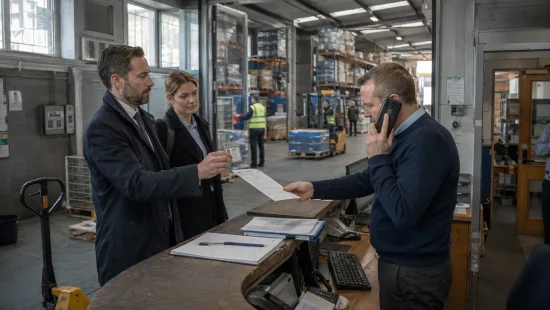
Yes. HMRC states that it can visit without an appointment in some circumstances. An unannounced inspection is subject to formal rules and safeguards, and the visiting officers should explain the purpose and authority for the inspection.
The person receiving the officers should check their identification, review any notice presented and contact an authorised adviser promptly. Documents should not be destroyed, hidden or retrospectively changed.
Do You Have to Attend a Meeting With HMRC?
HMRC may request a meeting to discuss the business’s records and VAT affairs. Its compliance factsheet states that the taxpayer can choose whether to attend a requested meeting.
That does not mean HMRC must abandon its questions. Where information is reasonably required, it may request written answers or use formal powers where the legal conditions are satisfied.
Preparing for an HMRC Meeting
Before agreeing to a meeting, establish:
- why HMRC wants the meeting
- which VAT periods will be discussed
- which transactions are in question
- who will attend
- whether the meeting will be recorded
- what documents should be available
- whether written answers would be more appropriate
The business should review the records beforehand and avoid guessing where an answer is not known. An accurate written follow-up is usually safer than an improvised explanation based on incomplete information.
A representative may attend the meeting. HMRC confirms that an accountant or legal adviser can accompany the taxpayer during a visit, and its wider compliance guidance recognises the right to representation.
What Should You Do After Receiving an HMRC VAT Investigation Letter?
The immediate priority is to understand the scope of the check and protect the relevant records.
| Action | Why it matters |
| Confirm the communication is genuine | Prevents confidential information being disclosed to a fraudster |
| Record the response deadline | Reduces the risk of escalation or formal action |
| Identify the periods under review | Defines which returns and records must be checked |
| Preserve relevant documents | Protects the evidence needed to explain the VAT treatment |
| Review returns before replying | Helps identify discrepancies before information is submitted |
| Authorise an adviser where needed | Allows professional communication with HMRC |
| Keep copies of every response | Creates a clear investigation history |
Do not assume that the opening letter contains HMRC’s final position. At this stage, the officer may be seeking evidence rather than asserting that the VAT treatment is wrong.
Where more time is genuinely required, contact the officer before the deadline. HMRC says it may allow extra time where there is a good reason.
What If You Discover a VAT Error During the Investigation?
Record the error, identify the affected periods and calculate the VAT difference. Do not conceal it or silently rewrite historical records.
VAT Notice 700/45 explains how errors should be corrected and states that penalties may apply to careless or deliberate errors, while an error made despite taking reasonable care does not normally attract an inaccuracy penalty.
The correct reporting method depends on the type, value and timing of the error.
Before submitting a disclosure, check that the calculation and explanation are complete. The circumstances that caused the error can be as important as the amount involved.
How Does Cooperation Affect a VAT Investigation?
HMRC considers the taxpayer’s cooperation when deciding the quality of a disclosure and the reduction available from certain penalties.
It describes cooperation as “telling, helping and giving”:
- Telling HMRC what is wrong
- Helping HMRC calculate the correct tax position
- Giving HMRC access to the relevant information and documents
Prompt, accurate cooperation may help HMRC complete the check more quickly and may reduce a penalty. However, cooperating does not require the business to accept an incorrect factual conclusion or legal interpretation.
A taxpayer can provide the requested evidence while explaining clearly why it disagrees with HMRC’s position.
How Far Back Can an HMRC VAT Investigation Go?
There is an important distinction between the periods HMRC examines and the periods it can lawfully assess.
HMRC’s VAT assessment manual states that four years is normally the maximum assessment period under section 73 of the Value Added Tax Act 1994. Additional conditions can apply, including a rule requiring an assessment to be made within a specified period after HMRC obtains sufficient evidence.
A 20-year assessment period can apply in limited circumstances, including where tax was lost because of:
- deliberate behaviour
- knowing participation in arrangements intended to cause a VAT loss
- failure to notify a VAT registration liability
- specified failures involving avoidance arrangements
The 20-year period is therefore not an automatic consequence of every error or compliance check.
Assessment time limits should also not be confused with VAT record-retention requirements. They concern HMRC’s power to assess, not simply how long a business must retain every category of record.
What Are the Possible Outcomes of a VAT Investigation?
HMRC may close the check because no adjustment is required, repay overpaid VAT, require additional VAT and interest, or issue an assessment or penalty notice.
HMRC should write to explain the final position. A penalty is not automatic merely because an adjustment is made;
HMRC considers why the error occurred, when it was disclosed and how helpful the business was during the check.
Can You Appeal the Result of an HMRC VAT Investigation?
A business does not have to accept an appealable VAT decision without challenge.
Depending on the stage of the case, it may be able to:
- send additional information to the investigating officer
- accept HMRC’s offer of a statutory review
- appeal to the First-tier Tribunal
- use Alternative Dispute Resolution where the case is suitable
For an indirect tax decision such as VAT, HMRC’s decision letter should explain the available options.
The taxpayer normally has 30 days from the date of the offer or decision to accept a review or appeal to the tribunal.
HMRC statutory review
A statutory review is conducted by an HMRC officer who was not previously involved in making the decision.
It can provide a faster and less formal route than tribunal proceedings, although the reviewer remains part of HMRC.
If the review does not resolve the matter, the taxpayer may normally appeal the review conclusion to the tribunal within a further 30-day period.
Alternative Dispute Resolution
ADR uses a trained HMRC mediator to help the parties identify and resolve the disputed issues. It can be useful where:
- communications have broken down
- the parties disagree about the facts
- progress has stalled
- HMRC may have made assumptions
- the relevance of requested information is disputed
ADR does not remove the right to request a review or make an appeal. After HMRC has made an indirect-tax decision, procedural requirements may mean that the taxpayer must first appeal to the tribunal before applying for ADR.
When Should You Contact a VAT Investigation Specialist?
Consider specialist support where:
- HMRC alleges deliberate conduct or fraud
- the potential VAT liability is substantial
- complex transactions or several periods are involved
- HMRC has issued a formal notice
- extended assessment periods or significant penalties are proposed
- the business intends to challenge an assessment
Not every routine check requires specialist representation. The decision should reflect the complexity, financial exposure and seriousness of HMRC’s concerns.
What Does a VAT Investigation Specialist Do?
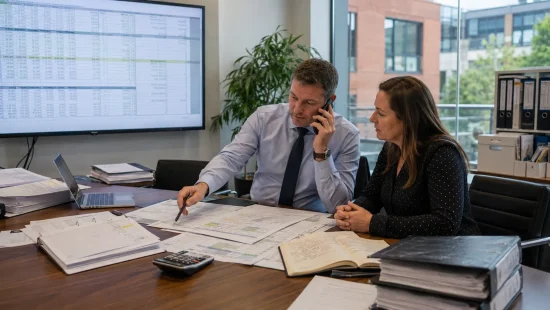
A VAT investigation specialist helps the business understand HMRC’s concerns, review the underlying evidence and present an accurate response.
Depending on the case, the specialist may:
- define the scope of the compliance check
- review VAT returns and accounting records
- identify and quantify errors
- analyse technically complex VAT treatments
- prepare responses and disclosure reports
- communicate with the HMRC officer
- attend meetings or inspections
- review information and inspection notices
- address allegations about taxpayer behaviour
- challenge assessments and penalties
- support a statutory review, ADR process or tribunal appeal
The specialist should not promise that a penalty, assessment or investigation will disappear. Their role is to establish the facts, apply the relevant VAT rules and help the business respond proportionately.
Before appointing someone, check their professional qualifications, VAT investigation experience, sector knowledge, fee structure and proposed scope of work.
Practical Next Steps
- Confirm that the communication came from HMRC
- Record the response deadline
- Identify the VAT periods and transactions under review
- Preserve the relevant paper and digital records
- Review the VAT returns before sending documents
- List any known errors or missing evidence
- Decide whether a VAT investigation specialist is needed
- Respond accurately and retain copies
- Continue filing current VAT returns and paying amounts due
- Review every assessment, closing letter or penalty notice immediately
Conclusion: Responding to a VAT Investigation With Confidence
An HMRC VAT investigation can range from a focused request about one repayment return to a detailed examination of several accounting periods.
The most effective response is usually organised, accurate and proportionate. Establish what HMRC is checking, preserve the evidence, meet the deadlines and avoid speculation.
Cooperation may help resolve the matter and reduce potential penalties, but it does not prevent the business from challenging an incorrect decision.
A VAT investigation specialist can provide valuable support where the technical issues, sums involved or allegations make the case difficult to manage internally.
Businesses should also check the latest HMRC guidance because VAT procedures and published notices may change.
Frequently Asked Questions
What triggers an HMRC VAT investigation?
HMRC may open a check because figures appear inconsistent, a repayment claim is unusually large compared with turnover, declared VAT appears low or previous returns were late or incorrect. Opening a check does not prove that the return is wrong.
How long does a VAT investigation take?
HMRC does not publish one standard completion period for every VAT compliance check. The duration depends on the scope, quality of the records, speed of responses, technical complexity and whether the parties disagree. A narrowly focused records check may finish sooner than a multi-period dispute involving assessments or penalties.
Does a VAT investigation mean fraud is suspected?
No. Many VAT investigations are routine compliance checks intended to confirm that VAT has been declared correctly. Fraud concerns arise only where the evidence suggests deliberate dishonesty or other serious conduct.
What documents can HMRC request during a VAT investigation?
HMRC may request VAT accounts, invoices, accounting records, bank or payment evidence, import documents, contracts and digital records relevant to the check. A business may ask why a routine request is relevant, but a formal information notice should not be ignored.
Can HMRC visit a business without an appointment?
Yes. HMRC normally arranges VAT visits and usually gives seven days’ notice, but it can conduct an unannounced visit in certain circumstances. Officers should explain the purpose and authority for the inspection.
What happens when HMRC finds a VAT error?
HMRC may require a correction, issue an assessment, charge interest and consider whether a penalty is appropriate. The penalty position can depend on whether the error arose despite reasonable care, through carelessness or deliberately, and on the quality of the disclosure.
When should you appoint a VAT investigation specialist?
Professional support is most useful where the VAT treatment is technically complex, the potential liability is substantial, HMRC alleges deliberate behaviour, formal powers are being used or the business intends to challenge a decision.
This guide provides general information about UK VAT compliance checks. It is not a substitute for tax or legal advice based on the facts of a particular case.
Sources
HMRC VAT visits and inspections
https://www.gov.uk/vat-visits-inspections
HMRC compliance checks: CC/FS1a
https://www.gov.uk/government/publications/general-information-about-compliance-checks-ccfs1a/about-compliance-checks-ccfs1a
HMRC compliance checks: help and support
https://www.gov.uk/guidance/hmrc-compliance-checks-help-and-support
VAT Notice 700/21: Record keeping
https://www.gov.uk/guidance/record-keeping-for-vat-notice-70021
VAT Notice 700/45: Correcting VAT errors
https://www.gov.uk/guidance/how-to-correct-vat-errors-and-make-adjustments-or-claims-vat-notice-70045

[…] VAT Investigation Specialist Guide: What Happens During an HMRC VAT Investigation? […]
[…] VAT Investigation Specialist Guide: What Happens During an HMRC VAT Investigation? […]