



















The 2026 Super El Niño impacts energy prices by altering global supply and demand dynamics. Extreme heatwaves drive up electricity consumption for cooling, while severe droughts cripple hydropower generation, forcing a costlier reliance on natural gas and coal.
These disruptions, alongside infrastructure and shipping bottlenecks, trigger widespread volatility across international wholesale energy markets.
Key Takeaways:
- Asymmetric Market Disruption: El Niño destabilizes global energy pricing by simultaneously driving up cooling demand during heatwaves and crippling hydropower capacities during severe droughts.
- A Prolonged Economic Tax: Academic research reveals that a Super El Niño acts as a multi-year drag on growth, compounding costs over time through delayed grid infrastructure investments and deep supply chain friction.
- The Energy-Agricultural Loop: Crop failures and global fertilizer shortages create a distinct “multiplier effect,” forcing higher industrial energy consumption and driving up wholesale transport and fuel refining costs.
- Indirect Risks for UK Industry: Despite geographical distance from the Pacific, the UK is highly vulnerable to international price contagion as volatile global LNG cargoes divert to higher-bidding, weather-strained regions.
- The Meteorological Whiplash: Forward-looking energy traders must account for the tail-end of the cycle, where a rapid transition into an intense La Niña frequently triggers volatile pricing corrections across futures markets.
- Historic Financial Risk: If current climate model projections materialize, the 2026 Super El Niño is on track to become one of the costliest climate-driven market events on record.
What Is El Niño and Why Does It Matter to Global Energy Markets?

Understanding the El Niño Climate Pattern
El Niño is a naturally occurring climate phenomenon characterised by unusually warm sea surface temperatures in the central and eastern Pacific Ocean.
It forms as part of the El Niño-Southern Oscillation (ENSO) cycle and typically occurs every three to five years, although the strength and duration of each event can vary considerably.
While the warming originates in the Pacific Ocean, its effects extend far beyond the region. El Niño influences rainfall, temperatures, storm activity, and atmospheric circulation patterns across multiple continents.
As a result, economies that depend heavily on stable weather conditions often experience significant disruptions.
For energy markets, weather is one of the most important drivers of both supply and demand. Changes in temperature, precipitation, and extreme weather events can alter electricity consumption, fuel demand, and energy production capacity.
Consequently, the arrival of a strong El Niño often becomes a key concern for governments, utilities, investors, and businesses.
How El Niño Influences Weather and Economic Activity?
The economic consequences of El Niño arise from its ability to trigger widespread weather anomalies. Some regions experience severe droughts, while others face excessive rainfall and flooding.
These conditions can damage infrastructure, reduce agricultural output, disrupt transportation networks, and affect industrial productivity.
According to the World Meteorological Organization, the influence of El Niño extends across agriculture, water resources, trade, energy supplies, and supply chains. The interconnected nature of the global economy means that disruptions in one region frequently affect markets elsewhere.
According to landmark climate-economic research led by Dartmouth College, the financial drag of El Niño is not merely a short-term issue. Dr. Justin Mankin, Associate Professor of Geography at Dartmouth, emphasizes that these events act as a persistent, multi-year tax on growth.
Mankin noted: “We know from observations that El Niños can cost the global economy trillions of dollars in damages and lost productivity. These costs accrue over years and disproportionately impact countries whose weather and climate is most tied to El Niño.”
For the energy sector, this compounding loss manifests as deferred grid infrastructure investments, degraded supply chain logistics, and a prolonged structural inflationary pressure on fuel commodities.
How Does El Niño Impact Energy Prices Around the World?
Energy markets are highly sensitive to weather conditions. During El Niño years, unusual temperature patterns can significantly alter energy demand.
In warmer regions, prolonged heatwaves increase the use of air conditioning systems, driving higher electricity consumption. Utilities may need to activate additional generation capacity to meet peak demand, increasing operational costs and wholesale electricity prices.
At the same time, drought conditions can reduce water availability for hydroelectric power stations, limiting renewable energy production and forcing countries to rely more heavily on natural gas, coal, or oil-fired generation.
These combined pressures create upward pressure on energy prices in many markets.
| Weather Impact | Energy Market Effect | Potential Price Outcome |
| Heatwaves | Increased electricity demand | Higher power prices |
| Droughts | Reduced hydropower output | Higher generation costs |
| Flooding | Infrastructure disruptions | Supply shortages |
| Storm activity | Grid damage and outages | Increased repair expenses |
| Water shortages | Cooling challenges for power plants | Reduced generation capacity |
Why Energy Markets React to Climate Disruptions?
Energy markets operate on expectations as much as actual supply and demand. When meteorological agencies forecast a strong El Niño event, traders often begin adjusting their positions months in advance.
Anticipated shortages, higher cooling demand, and potential infrastructure risks can influence futures markets, causing energy prices to rise before disruptions occur.
The energy sector also faces uncertainty regarding the duration and severity of weather-related impacts. Investors typically factor this uncertainty into market valuations, creating additional price volatility.
Because modern economies depend heavily on stable energy supplies, even relatively small disruptions can produce substantial market reactions.
Why Could the 2026 Super El Niño Become the Costliest on Record?
Lessons from Previous El Niño Events
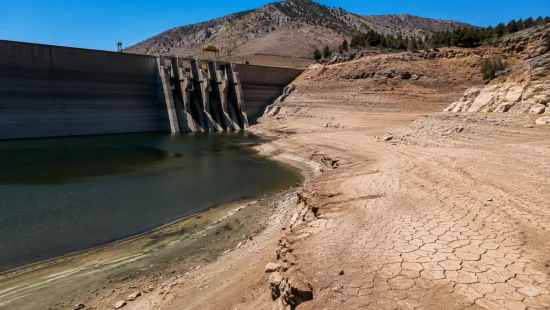
History demonstrates the immense economic consequences of strong El Niño events.
Research published in recent years estimated that the 1982–83 El Niño resulted in approximately $4.1 trillion in global income losses.
The powerful 1997–98 event generated an estimated $5.7 trillion in losses, with economic effects continuing for years after the weather pattern ended.
Importantly, these costs extend beyond immediate disaster damage. Long-term consequences often include lower agricultural productivity, reduced workforce participation, delayed investments, and disruptions to education and infrastructure development.
| El Niño Event | Estimated Global Economic Losses | Key Impacts |
| 1982–83 | $4.1 trillion | Floods, droughts, agricultural losses |
| 1997–98 | $5.7 trillion | Commodity disruptions, infrastructure damage |
| 2026 (Forecast) | Potentially highest on record | Energy, trade and supply chain risks |
Economic and Market Forecasts for 2026
The current El Niño has attracted particular attention because forecasts indicate it could develop into a very strong event.
Some climate models suggest temperature anomalies exceeding two degrees Celsius in parts of the Pacific Ocean.
The global economy is also considerably larger today than during previous El Niño cycles. As a result, the potential value of assets, infrastructure, and economic activity exposed to climate-related disruptions has increased significantly.
Justin Mankin noted: “In absolute dollar terms, yes, the current forecasts imply this could be the costliest El Niño on record.”
If current projections materialise, the cumulative impact on productivity, energy systems, supply chains, and commodity markets could exceed previous records.
How Does El Niño Affect Electricity, Natural Gas and Oil Prices?
Electricity markets often experience some of the most immediate effects of El Niño.
Periods of extreme heat increase cooling demand from households, offices, factories, and commercial facilities. Electricity grids can become strained as consumption reaches unusually high levels.
At the same time, weather-related disruptions may reduce generation capacity. Drought conditions can lower hydropower output, while flooding may affect transmission infrastructure and power stations.
The result is frequently a combination of higher demand and constrained supply, leading to elevated electricity prices.
In regions heavily dependent on hydropower, prolonged droughts can create particularly severe challenges. Countries may need to import electricity or increase fossil fuel generation to maintain grid stability.
Natural Gas and Oil Market Implications
Natural gas markets are often influenced by changing electricity generation requirements. When hydropower production declines, utilities frequently turn to gas-fired power plants to fill the gap.
This increased demand can tighten supply conditions and place upward pressure on natural gas prices.
Oil markets can also experience disruption. Flooding may affect transportation infrastructure, ports, pipelines, and refineries. Meanwhile, drought conditions can restrict critical waterways used for shipping fuel and commodities.
A notable example occurred when low water levels affected transit through the Panama Canal, creating logistical challenges for global trade.
These disruptions highlight how weather events can influence fuel markets far beyond the regions directly affected by El Niño.
How Do Supply Chain and Commodity Market Disruptions Influence Energy Costs?
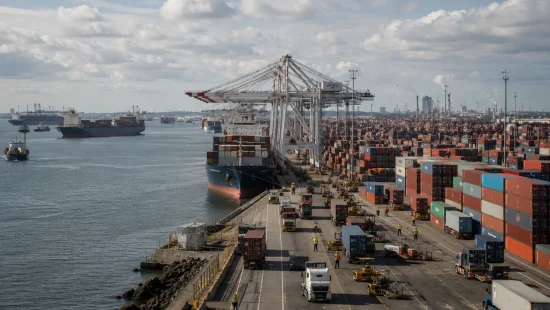
One of the less visible aspects of the El Niño impact on energy prices involves transportation networks.
Flooded roads, damaged railways, disrupted ports, and restricted waterways can increase the cost of moving fuel and energy-related commodities. Delays often lead to higher transportation expenses, which are eventually reflected in energy prices.
Energy infrastructure itself can also be vulnerable. Power lines, substations, pipelines, and storage facilities may require repairs following severe weather events, adding further costs to energy systems.
The Multiplier Effect
Agriculture, Fertilizers, and FuelThe relationship between supply chains and energy is highly cyclical during a Super El Niño. As noted by supply chain experts, a severe climate event creates a “multiplier effect” when combined with ongoing geopolitical tensions.
Reduced rainfall and lengthy dry spells in Southeast Asia threaten critical crops like rice and corn. When agricultural yields plummet, the agricultural sector’s energy footprint shifts; massive processing plants alter their operations, and the demand for biofuels fluctuates wildly.
Furthermore, global fertilizer shortages exacerbated by transport delays through restricted waterways like the Panama Canal mean that the remaining manufacturing and distribution of agricultural inputs require higher energy inputs, directly compounding wholesale transport and fuel refining costs.
What Are the Implications of El Niño for Renewable Energy and Energy Security?
Hydropower and Renewable Generation Challenges
Renewable energy sources are not immune to climate variability.
Hydropower facilities depend on adequate rainfall and reservoir levels. During El Niño-induced droughts, water shortages can significantly reduce electricity generation capacity.
Several countries across South America and Asia have historically experienced reduced hydropower production during strong El Niño events, forcing greater reliance on fossil fuels.
The challenge extends beyond electricity generation. Reduced hydropower output can increase fuel imports, worsen trade balances, and expose countries to international energy price fluctuations.
Increased Dependence on Alternative Energy Sources
When renewable generation declines, energy systems often compensate through alternative sources.
| Energy Source | El Niño Impact | Market Consequence |
| Hydropower | Reduced output during droughts | Higher electricity costs |
| Natural Gas | Increased demand for backup generation | Price increases |
| Oil | Transport and refining disruptions | Fuel price volatility |
| Solar Power | Generally less affected but region-dependent | Variable outcomes |
| Wind Energy | Impact varies by location | Mixed market effects |
This shift can increase emissions while also raising operational costs for utilities and consumers.
Energy security concerns become particularly important when multiple regions experience weather-related disruptions simultaneously.
How Could El Niño Affect UK Businesses and Consumers?
Impact on Energy Bills and Operating Costs
Although the UK is geographically distant from the Pacific Ocean, it remains connected to global energy markets.
Changes in international natural gas prices, commodity costs, and supply chain conditions can influence domestic energy prices. Businesses that rely heavily on electricity, transportation, or imported materials may experience increased operating costs.
While the UK is geographically insulated from direct Pacific weather extremes, the British economy acts as a price-taker in interconnected global commodity markets.
If a Super El Niño cripples hydropower in South America or triggers peak-load cooling demands across European gas-to-power grids, global liquefied natural gas (LNG) cargoes are quickly diverted to the highest-bidding regions.
Manufacturers, logistics providers, and large commercial organisations are particularly exposed to fluctuations in wholesale energy markets.
Consumers may also encounter indirect effects through higher utility bills and increased prices for goods that require significant energy inputs during production or transportation.
Risks for Energy-Intensive Industries
Industries such as chemicals, steel, food processing, and manufacturing often operate with substantial energy requirements.
When energy costs rise, profit margins can come under pressure. Some businesses may pass higher costs to customers, while others may absorb the impact through reduced profitability.
Companies with robust risk management strategies are generally better positioned to navigate periods of market volatility associated with strong El Niño events.
What Does the Future Hold for Energy Prices During Strong El Niño Events?

Climate scientists continue to study the interaction between El Niño and broader climate trends. While uncertainty remains, evidence suggests that extreme weather events may become increasingly disruptive to economic activity.
Energy systems worldwide are becoming more interconnected, meaning local disruptions can produce global consequences. At the same time, growing electricity demand, expanding renewable energy deployment, and evolving commodity markets are creating new complexities.
Future El Niño events are therefore likely to remain important drivers of energy market volatility. Governments, businesses, and investors will increasingly rely on forecasting, resilience planning, and diversified energy strategies to reduce exposure to climate-related risks.
As climate and economic systems become more intertwined, understanding the El Niño impact on energy prices will remain essential for informed decision-making.
The ‘Whiplash Effect’: Anticipating the La Niña Pivot
Savvy energy market participants do not just look at the immediate months of an El Niño event; they look at the tail-end of the cycle. Historically, very strong “Super” El Niño anomalies are rapidly followed by an equally intense La Niña transition. For global energy markets, this creates a “meteorological whiplash.”
As the Pacific rapidly cools down later in the cycle, weather patterns flip, often bringing severe winters to the Northern Hemisphere and altered Atlantic hurricane patterns.
Because energy futures markets trade on expectations, businesses must structure their risk management strategies not just for the current heatwaves and droughts, but for the volatile pricing corrections that occur when the climate pattern inevitably reverses
Conclusion
The El Niño impact on energy prices extends far beyond weather forecasts. By altering rainfall patterns, temperatures, energy demand, and infrastructure reliability, strong El Niño events can create significant disruptions across global energy markets.
Historical evidence shows that major El Niño episodes have contributed to trillions of dollars in economic losses, with effects that often persist long after the climate pattern subsides.
As the 2026 Super El Niño develops, businesses, investors, and policymakers will be closely monitoring its influence on electricity, natural gas, oil, and renewable energy markets. Preparing for increased volatility may prove essential in managing future energy-related risks.
Frequently Asked Questions
How often does El Niño occur and how long does it usually last?
El Niño typically develops every three to five years as part of the ENSO climate cycle. Most events last between nine and twelve months, although stronger episodes can persist for longer periods and create more extensive economic impacts.
Why does El Niño increase energy price volatility?
El Niño changes weather patterns across multiple regions, affecting both energy supply and demand. Increased electricity consumption, reduced hydropower generation, and infrastructure disruptions can create uncertainty that contributes to market volatility.
Which energy sources are most affected by El Niño?
Hydropower is often among the most affected energy sources because drought conditions can reduce reservoir levels and electricity generation. Natural gas and oil markets may also experience price fluctuations due to changing demand and transportation disruptions.
Can El Niño influence UK energy prices even if it occurs in the Pacific Ocean?
Yes. The UK participates in interconnected global energy and commodity markets. Disruptions affecting fuel supplies, international trade routes, or global demand can influence domestic energy costs despite the event occurring thousands of miles away.
How does El Niño affect renewable energy generation?
The impact varies by technology and location. Hydropower systems are particularly vulnerable to drought conditions, while solar and wind generation may experience region-specific changes depending on weather patterns.
What industries are most exposed to El Niño-related energy cost increases?
Energy-intensive sectors such as manufacturing, chemicals, mining, transportation, and food processing often face the greatest exposure. Rising energy prices can increase production costs and place pressure on profitability.
Can businesses protect themselves from El Niño-driven energy market risks?
Businesses can reduce exposure through energy efficiency measures, diversified supply chains, long-term procurement strategies, and effective risk management planning. Monitoring climate forecasts can also support more informed decision-making.
Is climate change making El Niño events more disruptive?
Researchers continue to examine this relationship, but many experts believe climate change may intensify certain weather extremes associated with El Niño. This could increase the economic and energy market consequences of future events.