



















GUERNSEY – The Hurel Limited (formerly RG Falla) creditors shortfall has become one of the island’s most significant insolvency cases, with local subcontractors facing devastating losses exceeding £20 million.
The case has reached a critical flashpoint following extraordinary allegations of fraud, theft, and misleading auditors, culminating in Joint Liquidator Leonard Gerber handing a criminal dossier to the police today, Monday, 15 June 2026.
While liquidators have launched a £3.9 million personal lawsuit against former directors for wrongful trading and misfeasance, creditors have been explicitly warned they may never recover the full amounts they are owed as investigations into a deficient financial audit by BDO continue.
Key Takeaways:
| Key Point | Summary |
| Creditor Losses | Subcontractors and suppliers face a shortfall exceeding £20 million. |
| Criminal Referral | A comprehensive dossier of fraud and theft allegations was handed to the police on Monday, 15 June 2026. |
| Director Lawsuit | Liquidators are personally suing former directors for £3.9 million over wrongful trading. |
| Auditor Investigation | Accounting firm BDO is under active investigation for a heavily deficient financial audit. |
| Future Outlook | Debtors face a “name and shame” deadline to settle, though full recovery for creditors remains highly unlikely. |
Why Is the Hurel Limited Guernsey Creditors Shortfall Making Headlines?
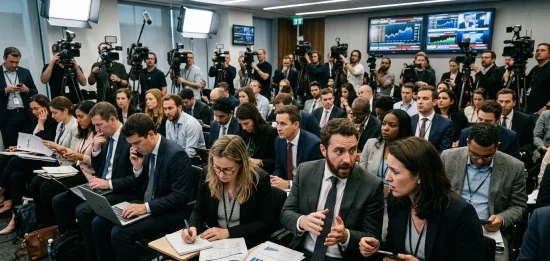
The Hurel Limited Guernsey creditors shortfall has attracted widespread attention because of the scale of the financial losses involved and the company’s long-standing role within Guernsey’s construction sector.
The collapse left numerous contractors, subcontractors, suppliers, and other stakeholders facing uncertainty about whether they will recover money owed to them.
For many years, the business operated under the RG Falla name and participated in several high-profile construction projects across the island.
Because of its prominent position within the local economy, its liquidation has generated significant interest among business owners, industry professionals, and creditors alike.
The situation has taken a dramatic turn following extraordinary allegations of fraud, theft, and misleading auditors that emerged during the recent annual creditors’ meeting.
joint Liquidator Leonard Gerber confirmed that a comprehensive dossier of information containing serious allegations concerning the company’s conduct has been handed directly to the police today, Monday, 15 June 2026.
These investigations have now widened to involve parent companies under the Garenne Group name, adding severe legal complexity to an already massive insolvency case.
What Happened to Hurel Limited, Formerly RG Falla?
Hurel Limited entered liquidation in 2023 after experiencing severe financial challenges that ultimately made it unable to meet its obligations. Before its collapse, the company was widely recognised under the RG Falla name and had established itself as one of Guernsey’s best-known construction firms.
The liquidation process revealed substantial liabilities that exceeded the company’s available assets. As liquidators examined the company’s finances, creditors learned that the shortfall was significantly larger than many initially expected.
The Rebranding Before Liquidation
One aspect that has attracted attention is the company’s transition from RG Falla to Hurel Limited shortly before entering liquidation.
Rebranding itself is not unusual in the business world. However, when a company enters insolvency shortly after a name change, creditors and stakeholders often seek to understand the circumstances surrounding that decision.
Records show that the company operated prominently as RG Falla until just before it collapsed and officially entered liquidation in March 2023.
Liquidators are deeply examining this final operational window to determine how asset values and corporate responsibilities were shifted during the name transition.
The liquidators’ investigations are focused on the financial affairs of the company rather than simply the name change itself.
Nevertheless, the timing has become a point of interest within discussions about the company’s final months of operation.
The collapse serves as a reminder that even established businesses with strong reputations can face financial difficulties if underlying commercial pressures become unsustainable.
How Did Creditors End Up Facing a £20 Million Shortfall?
The shortfall emerged because the value of the company’s debts significantly exceeded the assets available for distribution.
In insolvency cases, creditors are paid from funds recovered through asset sales, debt collection, settlements, and other recovery actions. When liabilities are much larger than available funds, a shortfall develops.
In the Hurel Limited case, creditors have been informed that debts exceed £20 million. This figure represents money owed to various parties, including subcontractors, suppliers, service providers, and other creditors.
The challenge facing liquidators is that recovering sufficient funds to cover such a large deficit is often extremely difficult. Even successful legal claims and debt recovery efforts may only recover a portion of what is owed.
Construction industry insolvencies can be particularly complex because projects often involve multiple contractors, long-term payment arrangements, retention agreements, and interconnected financial obligations. These factors can make the recovery process lengthy and complicated.
Who Has Been Most Affected by the Hurel Limited Collapse?

The impact of the liquidation extends beyond large corporate creditors. Many smaller businesses have reportedly been affected by unpaid invoices and outstanding contractual obligations.
Impact on Local Contractors and Subcontractors
Small and medium-sized contractors often operate with tighter cash flow margins than larger organisations. When a major client enters liquidation owing substantial sums, the consequences can be severe.
Some subcontractors may have completed work, purchased materials, or employed additional labour based on expected payments from the company.
The loss of those anticipated funds can create financial strain that extends well beyond a single project.
The ripple effects can spread throughout the local economy. Suppliers may experience delayed payments, businesses may postpone investments, and employment decisions may be affected as companies attempt to manage financial uncertainty.
A practical example illustrates the issue. A local subcontractor that completed several months of specialist construction work may have budgeted for payment to cover wages, equipment costs, and supplier invoices.
If that payment remains outstanding due to liquidation, the subcontractor may need to secure alternative financing or absorb significant losses while waiting for the liquidation process to unfold.
What Did Creditors Learn at the Latest Liquidation Meeting?
Creditors attending the latest meeting received updates regarding investigations, recovery efforts, and legal proceedings currently being pursued by the joint liquidators.
One of the most important messages communicated during the meeting was that creditors should prepare for the possibility that they may never recover the full amounts they are owed.
While recovery efforts continue, there is currently no guarantee that sufficient funds will become available to satisfy all outstanding claims.
The meeting also provided updates regarding allegations being investigated by the liquidators.
Creditors were informed that information gathered during the investigation process would be provided to law enforcement authorities for further consideration.
Additionally, discussions covered ongoing attempts to recover money from parties that still owe funds to Hurel Limited. These outstanding debts represent a potentially important source of future recoveries for creditors.
What Funds Have Liquidators Recovered So Far?
Liquidators have confirmed that some funds have already been recovered. Reports indicate that the amount recovered currently falls within a five-figure to six-figure range.
While any recovery is a positive development, the amount remains relatively small compared with liabilities exceeding £20 million. As a result, creditors have not yet received distributions from these recovered funds.
The recovery process remains ongoing and may involve several different avenues, including debt collection, negotiated settlements, legal claims, and other insolvency-related actions.
| Recovery Area | Current Position | Potential Impact |
| Debt Recovery | Ongoing | Could increase funds available to creditors |
| Legal Actions | Active | May generate additional recoveries |
| Settlements | Under discussion | Could avoid lengthy litigation |
| Asset Realisation | Continuing | Additional funds may be identified |
| Investigations | Ongoing | May uncover further recovery opportunities |
What Is the Controversy Surrounding the Reported Spain Trip?
One of the most widely discussed aspects of the Hurel Limited case involves allegations concerning a reported trip to San Sebastián, Spain, taken by some former directors shortly before the company entered liquidation.
According to information presented to creditors, questions have been raised about a private jet journey, accommodation arrangements, and associated expenses.
The issue has attracted attention because it occurred during a period when the company’s financial condition was reportedly deteriorating.
“Given that many people in this room have lost money due to the company’s liquidation, this conduct… does not sit well with me,” Joint Liquidator Leonard Gerber told creditors, describing the luxury trip as “just the tip of the iceberg.”
At present, no official findings have confirmed whether company funds were used for the trip.
This distinction is important because allegations alone do not establish wrongdoing. The matter remains part of broader investigations being conducted by the liquidators and potentially other authorities.
For creditors, the significance of the controversy lies less in the travel itself and more in whether any company resources were improperly used at a time when substantial debts were accumulating.
The outcome of ongoing investigations may provide greater clarity regarding the circumstances surrounding the trip and whether any legal or financial implications arise from it.
Why Are Liquidators Pursuing Wrongful Trading Claims?
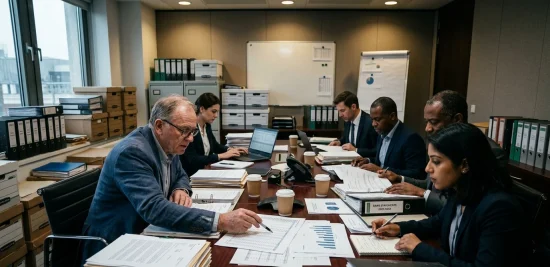
Liquidators are pursuing wrongful trading claims because they believe there are grounds to investigate whether business operations continued beyond the point at which directors should reasonably have known insolvency was unavoidable.
Wrongful trading is a serious matter in insolvency proceedings. It generally concerns situations where directors continue trading despite awareness that the company has little realistic prospect of avoiding liquidation.
If a court determines that wrongful trading occurred, directors may be held personally responsible for contributing towards creditor losses.
What Role Are Outstanding Debts Playing in the Recovery Process?
Outstanding debts owed to Hurel Limited may represent one of the most important sources of future recoveries.
Liquidators have indicated that there are individuals and businesses that still owe money to the company. These unpaid amounts effectively form part of the company’s remaining assets and can potentially be recovered for the benefit of creditors.
The recovery of outstanding debts is often a critical aspect of liquidation proceedings. Every successful recovery increases the funds available for eventual distribution.
However, debt collection can be challenging. Some debtors may dispute amounts owed, others may seek negotiated settlements, and some may face financial difficulties of their own.
The liquidators have made it clear that recovering these sums remains a priority because creditor repayments largely depend upon increasing the available asset pool.
How Are Liquidators Attempting to Recover Money for Creditors?
The liquidators are pursuing multiple recovery strategies simultaneously in an effort to maximise returns.
Their approach appears to include debt collection, legal proceedings, investigation of company transactions, examination of director conduct, and exploration of settlement opportunities.
This multi-layered strategy is common in large insolvency cases where liabilities significantly exceed immediately available assets.
The goal is not only to identify recoverable funds but also to ensure that any potential claims capable of benefiting creditors are thoroughly investigated.
In complex liquidations, recoveries often emerge gradually over several years rather than through a single event.
This is one reason creditors are frequently required to wait extended periods before receiving definitive information regarding potential dividends.
What Is Alternative Dispute Resolution and Why Is It Being Considered?
Alternative Dispute Resolution (ADR) refers to methods of resolving disputes without proceeding directly to a full court trial.
In the Hurel Limited case, some parties have reportedly proposed mediation and settlement discussions with the liquidators.
ADR can offer several advantages. It may reduce legal costs, shorten resolution timelines, and provide greater certainty compared with lengthy litigation.
For creditors, successful mediation could potentially accelerate recoveries by avoiding years of court proceedings.
However, mediation only works when all parties are willing to engage constructively and negotiate in good faith. If agreement cannot be reached, formal litigation may remain necessary.
The willingness of both sides to explore ADR suggests there may still be opportunities to achieve outcomes without the delays typically associated with major trials.
Could the Hurel Limited Case End Up Going to Trial?
Yes, a trial remains a realistic possibility if settlement negotiations fail.
The liquidators have indicated that they are prepared to proceed through the courts if necessary. Reports suggest they have obtained expert support for their position and remain committed to pursuing claims where appropriate.
Trials involving insolvency disputes can be highly complex. They often involve extensive financial records, expert testimony, director conduct assessments, and detailed examinations of corporate decision-making.
A court case could potentially clarify several disputed issues currently being investigated. It may also determine whether compensation should be paid by any parties found liable.
However, litigation carries risks for all involved. Court proceedings can be expensive, time-consuming, and uncertain.
For creditors, the prospect of trial represents both an opportunity and a challenge. A successful outcome could increase recoveries, while prolonged proceedings may delay distributions.
What Investigations Are Taking Place Into the Company’s Audits?

Questions have also been raised regarding the auditing process associated with the company before its collapse.
Audits are intended to provide stakeholders with confidence regarding a company’s financial position.
When a business later enters liquidation with substantial liabilities, questions naturally arise about what warning signs may have existed beforehand.
Questions Surrounding the Audit Process
Investigations relating to audits do not automatically imply wrongdoing by auditors. Rather, they seek to determine whether auditing standards were appropriately applied and whether financial information accurately reflected the company’s condition.
The concern expressed by some parties stems from the scale of the eventual shortfall. Creditors have questioned how such significant financial difficulties developed without being identified earlier.
The answers to these questions may emerge through ongoing investigations. Until then, it is important to avoid drawing conclusions before evidence has been fully examined.
Understanding the audit process may also help identify lessons that could improve oversight and transparency in future corporate situations.
How Could Future Recoveries Affect Creditor Payouts?
Future recoveries will directly influence how much money creditors ultimately receive.
Every pound recovered through debt collection, settlements, legal claims, or asset realisation increases the potential distribution pool.
However, creditors should recognise that recoveries do not automatically translate into full repayment. Insolvency expenses, legal costs, and the scale of outstanding liabilities all affect final distributions.
The table below illustrates how different recovery outcomes could affect creditor expectations.
| Recovery Scenario | Funds Recovered | Impact on Creditors |
| Minimal Recovery | Limited additional funds | Very small dividend or no meaningful repayment |
| Moderate Recovery | Significant debt collections and settlements | Partial repayment possible |
| Strong Recovery | Successful litigation and debt recovery | Improved dividend potential |
| Exceptional Recovery | Multiple successful claims and settlements | Higher distributions but full repayment still uncertain |
| Worst-Case Outcome | Recovery efforts unsuccessful | Creditors absorb most losses |
While future recoveries remain uncertain, the liquidators’ ongoing actions demonstrate that efforts continue to maximise available funds.
What Does the Hurel Limited Situation Mean for Guernsey’s Construction Industry?
The collapse has prompted wider discussions about financial resilience within the construction sector.
Construction companies often operate with narrow margins, significant project costs, long payment cycles, and substantial contractual obligations. These factors can create vulnerabilities during economic downturns or periods of financial stress.
The Hurel Limited case serves as a reminder that even established businesses can encounter severe financial challenges if risks are not effectively managed.
For contractors and suppliers across Guernsey, the situation highlights the importance of monitoring credit exposure, maintaining strong financial controls, and diversifying customer relationships.
The case may also encourage greater scrutiny of financial reporting, project management practices, and governance standards throughout the industry.
What Key Developments Could Happen Before the End of 2026?
Several significant developments may occur before the end of 2026.
Ongoing debt recovery efforts may result in additional funds being secured for creditors. Settlement negotiations could produce agreements that avoid the need for lengthy litigation. Legal proceedings against former directors may also advance significantly.
Investigations involving allegations of misconduct and audit-related matters may produce further findings that influence the direction of the liquidation process.
Additionally, creditors are expected to receive further updates regarding recovery progress, legal developments, and the overall financial position of the liquidation estate.
Because multiple investigations remain active, the situation is likely to continue evolving throughout the remainder of the year.
What Should Creditors and Industry Stakeholders Watch Next?
Creditors should closely monitor updates from the liquidators, particularly regarding recoveries, settlements, legal proceedings, and potential distributions.
Stakeholders should pay attention to developments involving debt recovery actions because these efforts may have the greatest immediate impact on available funds.
The progress of wrongful trading claims and any future court proceedings will also be important indicators of potential recoveries.
Ultimately, the key question remains whether liquidators can secure sufficient additional funds to improve creditor outcomes. While no guarantees exist, ongoing recovery efforts continue to offer some prospect of future distributions.
Conclusion
The Hurel Limited Guernsey creditors shortfall remains one of the most significant insolvency cases in Guernsey’s recent history.
With liabilities exceeding £20 million, creditors face a difficult reality in which full repayment appears increasingly unlikely. Nevertheless, liquidators continue pursuing debt recoveries, legal claims, settlements, and investigations aimed at increasing available funds.
The outcome of wrongful trading proceedings, mediation efforts, debtor collections, and ongoing investigations could significantly influence future creditor recoveries.
As the case develops throughout 2026, creditors and industry stakeholders will be watching closely for signs that additional recoveries can help reduce the substantial losses created by the company’s collapse.
FAQs
What was Hurel Limited known as before liquidation?
Hurel Limited previously operated under the well-known RG Falla name. The company rebranded before entering liquidation, although the insolvency proceedings focus on its financial affairs rather than the name change itself.
When did Hurel Limited enter liquidation?
The company entered liquidation in 2023 following significant financial difficulties. The liquidation process has continued since then as liquidators investigate claims and attempt to recover funds.
How much money do creditors claim they are owed?
Creditors have been informed that the total shortfall exceeds £20 million. This figure includes debts owed to contractors, subcontractors, suppliers, and other parties affected by the company’s collapse.
What is wrongful trading in a liquidation case?
Wrongful trading generally occurs when directors continue operating a business despite knowing, or reasonably being expected to know, that insolvency cannot be avoided. Courts can order directors to contribute financially if such claims are proven.
Are former directors facing legal action?
Yes, legal proceedings have reportedly been initiated against certain former directors. These claims are part of broader efforts by liquidators to maximise recoveries for creditors.
Will creditors receive any dividend payments?
At present, no definitive timeline or amount has been confirmed. Future dividends will depend heavily on successful recoveries from debt collection, settlements, and legal actions.
What debts are liquidators currently trying to recover?
Liquidators are pursuing outstanding sums reportedly owed to Hurel Limited by various debtors. Recovering these amounts could increase the funds available for eventual creditor distributions.